
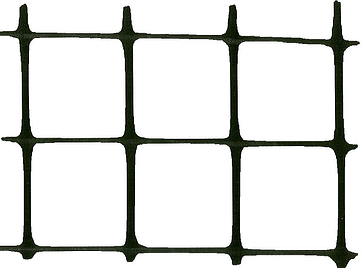
Cintoflex--Flexible, Non-Toxic, and Easy to Install
Cintoflex, a Tenax fencing product, was designed as a replacement for an alternative to galvanized hexagonal chicken wire netting. Made from high-density polyethylene, Cintoflex can withstand environmental stresses such as UV rays and extremes of temperature. These black polyethylene poultry net meshes are produced by a patented stretching and extruding process. The netting is manufactured as a continuous net, possessing strength associated with wire netting. Cintoflex is non-toxic. It is unaffected by contaminants such as acids generated on a poultry farm.
Versatile Cintoflex Plastic Netting Advantages:
Ideal for a Wide Variety of Applications
- Lightweight
- Flexible
- Completely recyclable
- Easy to handle
- Easy to install
- Will not rot, rust or corrode
- No rough edges to injure you or your animals
- Easy to store - requires less space
- Available in four different mesh sizes
- Black color blends with the background becoming virtually invisible
- Multiple overlaps are eliminated in installations where height is required
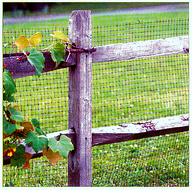
The uses for Cintoflex are limitless. In certain applications, Cintoflex can be used as a replacement for hex netting chicken wire fencing. The larger meshes can be used to protect your property from deer damage.
- Perimeter protection
- Bird exclusion
- Deer control
- Protection of trees, shrubs, and berries
- Aviaries
- Litter and debris control
- Pond protection
What uses can you think of for these polyethylene meshes?